The Illusion of the Seamless Web
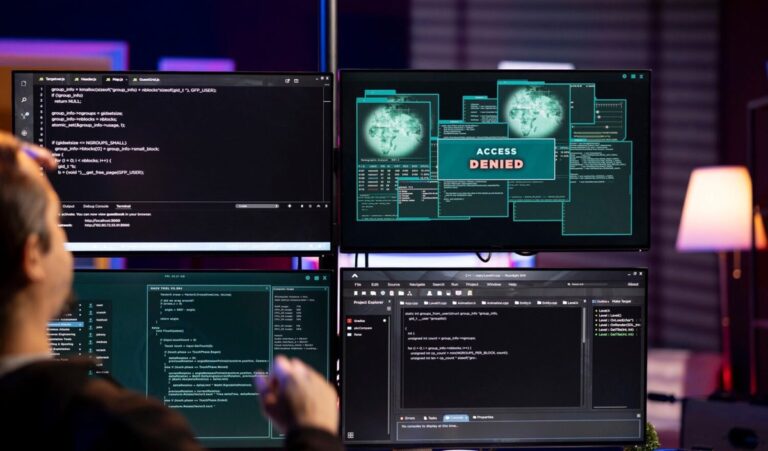
For decades, we operated under the assumption that the digital fabric of modern society was a permanent, immutable feature of daily life. The recent succession of outages—from Microsoft to the FAA and major financial institutions—has shattered that perception. While official channels attribute these disruptions to maintenance bugs and patch deployment issues, the growing anxiety among government officials and the public suggests we are entering a period where the ‘always-on’ promise of technology is being tested by its own internal complexity.
The Normalization of Fragility
From a futurist perspective, this isn’t necessarily a sign of a coordinated global cyberattack, but rather a symptom of technological debt colliding with hyper-interconnectivity. As we accelerate toward an era of sovereign compute, our reliance on centralized, legacy-heavy architectures is creating single points of failure that ripple through the global economy. Whether the cause is a faulty fiber-optic upgrade or an unpatched vulnerability, the result remains the same: a brittle system unable to absorb sudden shocks.
The 90-Day Mandate and Beyond
The Pentagon’s FORTRESS initiative is the canary in the coal mine. By ensuring military bases can operate for 90 days without external support, the defense sector is signaling that infrastructure autonomy is the next strategic necessity. In the next 3 to 5 years, we will see this mentality shift from military circles into the private sector. Companies that do not invest in redundant, localized, and offline-capable hardware will find themselves increasingly vulnerable to both physical and digital turbulence. As discussed in recent analysis on resilient system architecture, the focus is shifting from efficiency to survivability.
What This Means for the Next Five Years
- Decentralized Infrastructure: Expect a shift away from massive, unified cloud dependencies toward hybrid, local-first computing models.
- Emergency Preparedness as a Business Metric: Businesses will be measured by their ‘Time to Recovery’ (TTR) during total network blackouts.
- The Transparency Gap: As technical complexity grows, the gap between official explanations and public trust will widen, creating demand for independent observability tools.
We are no longer just maintaining servers; we are maintaining the backbone of civilization. The outages of today are the warning shots of tomorrow. It is time to treat infrastructure not as a utility, but as a critical survival asset.
Read more: The Sovereign Compute Doctrine: Why Data Centers Are Becoming the New Industrial Border
Read more: Beyond the Hype: Why AI Observability 2.0 is the Enterprise Survival Metric for 2027