The New Front Line is Your Digital Footprint
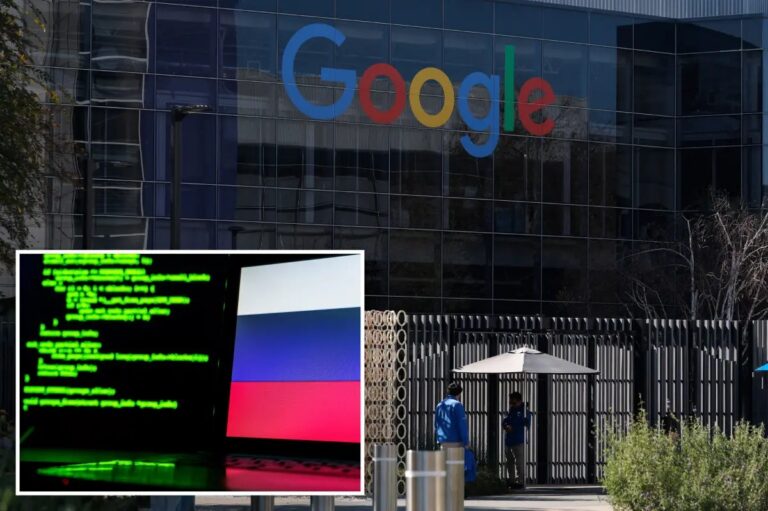
For decades, espionage was the stuff of physical dead drops and covert meetings. Today, the battlefield for global supremacy has migrated to our screens. Recent reports indicate that suspected foreign intelligence services are leveraging platforms like LinkedIn and highly sophisticated copycat domains to harvest sensitive U.S. secrets from current and former government officials. This isn’t just a phishing scam; it is a strategic, long-term intelligence operation aimed at exploiting the gap between public service and private sector transition.
The Vulnerability of the Post-Service Gap
When high-level policy analysts or clearance holders leave their posts—often through volatile cycles of staff turnover—they frequently fall into a security vacuum. Without the protective architecture of a government agency, these individuals become high-value targets for social engineering. As noted in reports by organizations like the Foundation for Defense of Democracies, these actors utilize lookalike websites to mimic professional networks and conferences, effectively lowering the guard of those who still possess deep knowledge of institutional processes.
Why This Signals a Shift for the Next 5 Years
We are entering an era of Hyper-Targeted Espionage. The next 3 to 5 years will see this dynamic intensify, as state-level actors move beyond brute-force cyberattacks toward granular, identity-based influence operations. The following shifts are inevitable:
- Institutional Responsibility: Agencies will be forced to provide ‘Digital Offboarding’—securing the online presence of employees as they transition to the private sector.
- Platform Vigilance: Social platforms will face immense pressure to implement rigorous verification standards for high-clearance user profiles.
- The Human Factor: Cybersecurity training must evolve from simple password hygiene to behavioral awareness of long-tail psychological manipulation.
The persistence of these malicious domains, even after public exposure, signals a chilling reality: the cost of mitigation is high, and the velocity of threat actors currently exceeds our bureaucratic response times. If we are to maintain our edge in the global arena, we must fundamentally redesign how we protect the knowledge held by those who have stepped away from the front line. The weakest link is no longer a server; it is the professional network of the people who shaped our policy.
Read more: The Era of Fragility: Why We Must Prepare for a Decade of Digital Interruptions
Read more: The Agentic Firewall: Why Workday’s C1.ai Deal Defines the Next Era of Enterprise Security