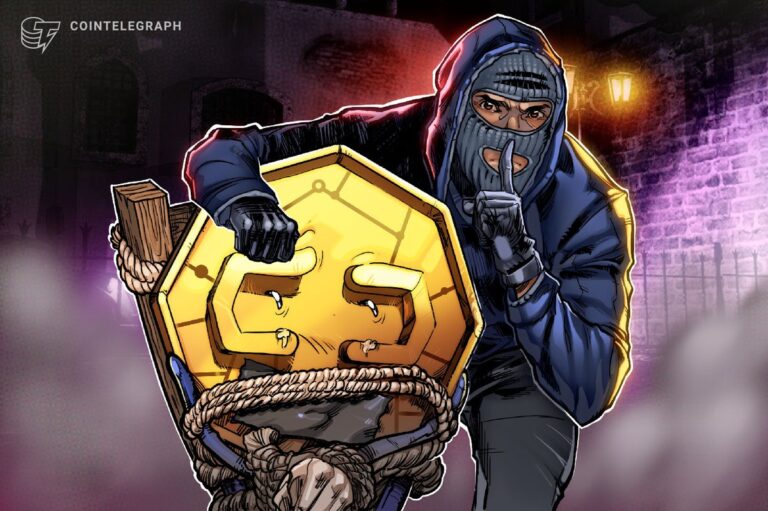
When a $2 million memecoin avalanche hit the market overnight, it wasn’t just a price shock—it was a warning bell for the entire crypto ecosystem. Ansem, co‑founder of the Bullpen trading terminal, claims his private key was compromised, triggering a cascade of sales that slashed his ANSEM token by nearly 40%.
The Anatomy of the Hack
According to on‑chain analytics, more than 800 sales across 124 tokens were executed from a single wallet at 08:34 UTC. Roughly $1.5 million of ANSEM tokens alone were dumped, sending the token’s market cap tumbling to $10.8 million. The breach appears to have originated from unauthorized access to Ansem’s Bullpen profile, where the private key was imported.
Why Wallet Integration Is a Double‑Edged Sword
Integrating private keys into third‑party platforms offers convenience but creates a single point of failure. As TechCrunch explains, the more touchpoints a key has, the larger the attack surface.
- Shared credentials: Developers often reuse passwords across services.
- API exposure: Trading terminals may expose keys via insecure endpoints.
- Lack of hardware isolation: Without hardware wallets, keys sit in software memory, vulnerable to malware.
Ripple Effects on Memecoin Ecosystems
Memecoins thrive on community sentiment. A single large dump can trigger panic selling, as we saw with ANSEM’s 39% plunge. With 152,000 holders, the market’s fragility is evident. Analysts at Arkham flagged the rapid bridge transfer to Arbitrum as a classic “exit scam” pattern, even though the intent here was theft.
Lessons for the Next 3‑5 Years
Security will become the decisive factor for crypto adoption. Expect three major shifts:
- Hardware‑first wallets: Users will gravitate toward devices that keep private keys offline.
- Zero‑knowledge access controls: Platforms will adopt cryptographic proofs that verify ownership without exposing keys, a trend highlighted by Wired.
- Regulatory pressure: Governments may mandate audit trails for high‑value wallet integrations.
Preparing for a More Fragile Crypto Landscape
For traders and developers alike, the playbook is simple:
- Store the majority of assets in hardware wallets.
- Use multi‑signature vaults for any on‑chain activity.
- Audit third‑party integrations regularly and enforce MFA.
- Monitor bridge activity with on‑chain analytics tools.
In a world where a single compromised key can move millions, the next wave of innovation will be measured not just by speed, but by resilience.
Read more: The Era of Fragility: Why We Must Prepare for a Decade of Digital Interruptions
Read more: The Digital Human Shield: How Former Officials Are Becoming Targets