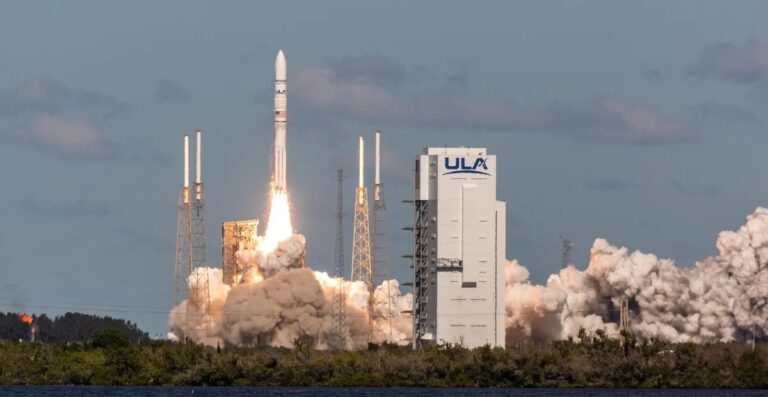
The launch of Shenzhou-24 from the Jiuquan Satellite Launch Center is more than a routine crew rotation; it is a seismic shift in the architecture of global space governance. By bringing Pakistani payload specialist Zeeshan Ali into orbit as the first foreign national to board China’s Tiangong space station, Beijing is no longer just building a station—it is weaving a diplomatic web that will define the next five years of orbital dominance.
From Isolated Silos to Interconnected Networks
For decades, the International Space Station (ISS) operated as a Western-led collaborative hub, while China developed its Tiangong program in relative isolation. That era is ending. The inclusion of Ali, part of the Belt and Road Initiative, signals a move toward a multipolar space ecosystem. We are witnessing the birth of a ‘Global South’ orbital corridor where space access becomes a trade good, fostering long-term technological dependencies and alliances that extend far beyond the vacuum of space.
This shift suggests that by 2030, the orbital economy will be less about flag-planting and more about data sovereignty and scientific collaboration. Countries like Pakistan, and potentially others in the region, will find themselves integrated into Chinese space standards, creating a rival ecosystem to the Western-led Artemis Accords.
The Strategic Calculus of Short-Term Visits
Zeeshan Ali’s short-term visit, contrasted with the year-long mission of Zhong Yangzhu, is a calculated risk-reward strategy. It allows China to demonstrate inclusivity and technical interoperability without relinquishing core command structure or long-term operational control. This model is likely to be replicated, creating a pipeline of international astronauts who serve as both scientists and cultural ambassadors.
- Diplomatic Leverage: Space cooperation is becoming a primary tool for soft power, rivaling traditional trade agreements.
- Standardization: Foreign payloads and crew will increasingly adhere to Chinese orbital protocols, shaping global space standards.
- Resource Access: As the US focuses on lunar mining, China is positioning itself as the hub for low-Earth orbit (LEO) scientific and commercial activity.
What This Means for the Next 3 to 5 Years
In the coming years, expect to see a proliferation of ‘partner nation’ missions to Tiangong. This will accelerate the development of a commercial spaceport economy in Asia, challenging the dominance of US-based launch providers. The narrative of space is shifting from a Cold War relic to a complex, multi-stakeholder marketplace where geopolitical alliances are forged in orbit. For tech leaders and policymakers, the lesson is clear: the next frontier of global influence is not just about who reaches the moon first, but who controls the nodes of the orbital network.
As we watch the Long March-2F rocket ascend, we are seeing the blueprint for a future where space access is democratized for select partners, creating a new layer of geopolitical realism that will shape international relations well into the 2030s.
Read more: Racing the Future: How AI and Instinct Are Redefining Formula 1
Read more: The Silicon Curtain: Why AI Labs Are Becoming the New Cold War Frontlines