AI and Instinct: The New Engine of Formula 1
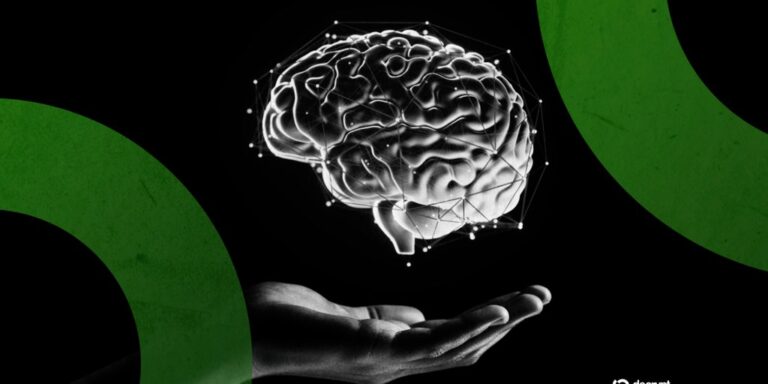
When the roar of a V6 turbo‑hybrid meets a cloud‑based neural net, the sport is no longer just about speed—it’s a live laboratory for the next wave of human‑machine collaboration.
From Data to Decision: How Machine Learning Is Changing the Pit Lane
Teams now feed terabytes of telemetry into real‑time reinforcement‑learning models that suggest tyre choices, fuel splits, and overtaking windows faster than a pit crew can swap a wheel. TechCrunch notes that these models can simulate thousands of race scenarios in the time it takes a driver to complete a lap.
The Human‑Machine Synergy: Drivers as Real‑Time Sensors
Modern F1 drivers are equipped with biometric suits that stream heart‑rate, gaze, and reaction‑time data to an AI “coach” that adjusts car settings on the fly. The instinctive feel of the track is quantified, creating a feedback loop that sharpens both man and machine.
What This Means for the Next 3‑5 Years of Motorsports and Beyond
In the coming years we can expect:
- Fully autonomous sprint races for testing new AI strategies without risking driver safety.
- Cross‑industry spillover: AI‑driven predictive maintenance will migrate to aviation, logistics, and even smart‑city infrastructure.
- Regulatory evolution as governing bodies codify acceptable levels of AI assistance, setting precedents for other high‑stakes domains.
The convergence of AI and driver instinct in Formula 1 is a micro‑cosm of a broader shift: data‑rich environments turning human intuition into algorithmic advantage. As the sport accelerates, the rest of the tech ecosystem will feel the slipstream.
Read more: The Autonomous Merge: AI’s Leap Over Human Bottlenecks
Read more: The Speed of Proof: AI‑Driven Math Reshapes Digital Defenses
Read more: SharkNinja’s S&P 500 Leap: Signals for Consumer Tech